
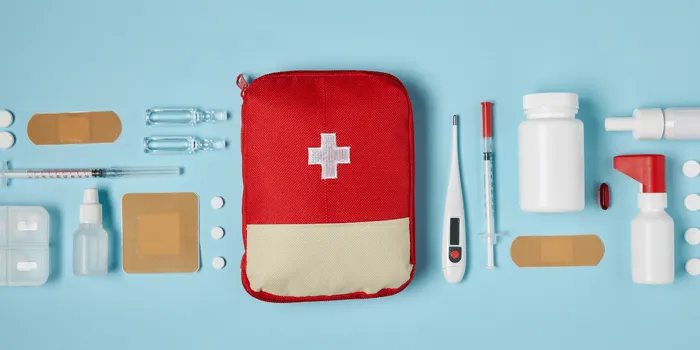
As the year winds down, many people scramble to use up the remaining money in their flexible spending accounts (FSAs). FSAs are beneficial for people with bleeding disorders because money is set aside tax-free for eligible health care costs. However, money in these accounts typically must be spent in a year or so, or it’s forfeited.
According to the Employee Benefit Research Institute, about half of all people who contributed money to an FSA in 2023 ended up forfeiting funds — money that was set aside from their paychecks, never spent, and instead given back to their employers. The average forfeiture was $436.
With careful planning, you can avoid a situation where you lose out. FSA funds can be spent on medical and dental visits, copayments, and thousands of health-related products, from activity trackers to zinc supplements. Here are five groups of FSA-eligible products that people with bleeding disorders might need.
1. Gauze, Bandages, and Wound Dressings
Supplies such as sterile gauze pads, adhesive bandages, and wraps and dressings have many practical applications in bleeding disorders self-care.
Adhesive bandages provide cover and protection so that scrapes, cuts, and injection sites can heal. Wraps can be used as compression for managing swelling and bleeding. Gauze is helpful when removing an injection needle or stanching bleeding from lost baby teeth.
These items come in a variety of shapes and sizes, and because they are for medical purposes, they are almost always eligible as FSA purchases.
2. Humidifiers and Nasal Moisturizers
The dry air in cold, wintry regions and parts of the country with low humidity can be problematic for people with bleeding disorders. Delicate nasal passages can dry out and crack, raising the risk of nosebleeds.
Using a humidifier in a room of your home, such as the bedroom, adds moisture to the air to counteract the dryness. Humidifiers are FSA-eligible with a letter of medical necessity, through which a provider must describe your medical condition, the treatment for your condition, and the duration of treatment.
You can also help prevent nosebleeds by using nasal saline sprays or gels, which are FSA-eligible.
3. Resistance Bands and Balance Tools
Physical therapy is a core component of bleeding disorders care. If your comprehensive care team has OK’d exercises for you to do at home, there are FSA-eligible items to help.
For example, elastic resistance bands and therapy putty can strengthen muscles and joints and reduce the risk of future bleeds. Exercise balls, balance boards, and foot rockers build stability to protect against fractures from falls.
Your FSA administrator may require a letter of medical necessity to demonstrate your need for these tools.
4. Sharps Containers
Needles are an essential tool for self-infusion, and after these sharps are used, they should be immediately and properly disposed of to avoid accidental sticks.
If you frequently go through sharps, it’s good to have an empty container on hand. Sharps containers are not designed to be reused, and they should be disposed of when full according to your community’s guidelines.
Sharps containers cleared by the Food and Drug Administration are FSA-eligible.
5. Canes, Crutches, and Wheelchairs
Adaptive equipment — such as canes, crutches, walkers, and wheelchairs — is necessary for many people with bleeding disorders. They’re helpful for recovering from surgery, alleviating pain after a joint bleed, or assisting with mobility long term.
Thankfully, these devices can be purchased using FSA funds.
Read About More FSA-Eligible Items
Medical ID jewelry, reusable cold packs, compression wraps and sleeves, and shoe inserts are not only FSA-eligible, but they also make great gifts for someone with a blood or bleeding disorder. Read this article on HemAware for details.