
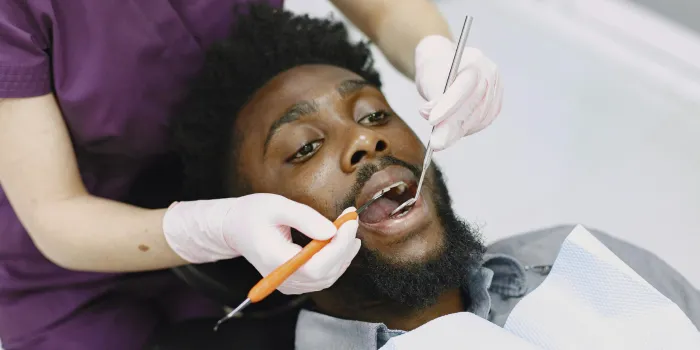
For people with bleeding disorders, a routine visit to the dentist can be anything but routine. That’s because having hemophilia, von Willebrand disease (VWD), or another bleeding disorder presents unique challenges during dental procedures.
“The tissues in the mouth have a lot of blood vessels — it’s like a sponge, so there can be significant bleeding,” says Michael Chan, DDS, an associate professor and residency program director at the UTHealth School of Dentistry General Practice Residency in Houston. “Patients with bleeding disorders require careful management by someone who is knowledgeable and comfortable treating them.”
Maintaining good oral health is a crucial step in preventing gum disease, which can lead to an increased risk of bleeding. In severe cases, gum disease can contribute to systemic inflammation, which can be associated with a higher risk of cardiovascular disease.
Here are four things to keep in mind when it comes to dental care:
1. Choose a Dentist Carefully
Not all dentists have received proper training or specialized experience treating people with bleeding disorders, so it’s important to do your homework and identify a dentist who has the appropriate qualifications and expertise, Chan says.
"Unfortunately, some dentists don’t always know what questions to ask, or don’t know what precautions to take, and that may lead to serious complications such as uncontrolled bleeding,” Chan says.
Finding a dentist with the appropriate training and comfort level can be challenging, particularly in rural areas. Local hemophilia treatment centers (HTC) or a local National Bleeding Disorders Foundation chapter can assist in finding a suitable dental practice.
In some cases, collaborations between dental clinics and HTCs, often supported by grants, can enhance access to affordable care. For example, at UTHealth’s Gulf States Hemophilia and Thrombophilia Center, dental residents from the School of Dentistry evaluate patients and recommend treatments that can be done in an educational setting and performed at no cost to patients.
2. Be Open with the Dentist About Your Bleeding Disorder
You should always disclose to the dentist that you have a bleeding disorder and share as many details about your condition as possible.
“We’ve encountered cases where patients hesitate to inform their dentist about having a bleeding disorder due to the fear that they’re going to get turned away,” Chan explains. “It’s really important that patients be proactive and tell us their history up-front.”
Ideally, you should bring the information from your hematologist to your dental appointment, which helps the dentist understand your diagnosis, its severity, and any treatments you may require to manage bleeding.
“A protocol sheet from your hematologist can provide the dentist with specific information regarding preoperative care,” says Chan, whether that be a factor infusion, an antifibrinolytic rinse such as Amicar, or the medication desmopressin, which can be given as a nasal spray or intravenously.
“In cases of moderate or severe hemophilia, even a routine dental cleaning can lead to bleeding,” Chan says.
For more invasive procedures, such as tooth extractions or other oral surgeries, it’s recommended that you consult with your hematologist to determine the necessary precautions.
3. Don’t Rely on the Emergency Room
Chan states that individuals with bleeding disorders who delay seeing a dentist may end up in the emergency room (ER) when they have a serious dental problem. However, this approach is often not ideal.
“Most hospitals don’t have a dentist on staff, so most ERs are unable to provide significant assistance beyond advising the patient to consult a dentist, so our goal is to keep patients out of the ER,” he says.
Having a knowledgeable dental provider and a plan in place for emergencies is a safer, more effective approach.
4. Practice Good Oral Hygiene
Regular dental health practices, including regular brushing, flossing, and professional cleanings every six months, are important, Chan says. Depending on the severity of an individual’s bleeding disorder, they may have to modify their brushing and flossing techniques to minimize bleeding. A dentist or the patient’s HTC team can provide the proper guidance.
“If you can maintain good hygiene, you’ll have less bleeding from gingival inflammation and gum disease,” he says.
Read more: Oral & Dental Health Tips for Adults with Bleeding Disorders