
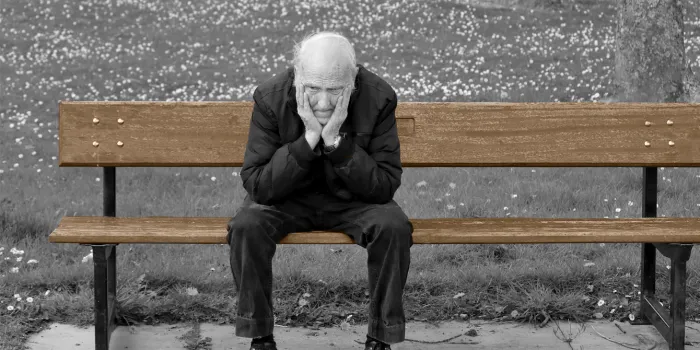
Reaching middle age with a bleeding disorder can take a toll on your mental health. The reality of outliving many of your peers, the uncertainty of aging without a road map, and the fear that your treatment could be phased out can be daunting.
“Some people focus on their bleeding disorder, thinking, ‘It’s a physical thing. I can power through everything else,’ but they don’t realize that the mind and body are one unit,” says Mosi Williams, Psy.D., a licensed clinical social worker at UCSF Medical Center’s Adult Hemophilia Treatment Center in San Francisco. “They may not see the impact of stress or chronic pain and how that can impact our mood states.”
Older people may not recognize depression or anxiety in themselves if they don’t feel overwhelmingly sad. But losing interest in favorite activities, feeling emotionally numb, or getting angry more often can all be signs of these conditions.
“For men, anger is a more socially acceptable emotion than saying, ‘I’m depressed,’” he says. “I’ve seen patients who feel like they have nothing to look forward to. They’re slowly losing their activities due to mobility, and there may be a loss of identity.”
Steps you can take
If you start to notice changes in your mood and emotions, take the following steps:
- Visit your primary care provider. They can refer you to a therapist or prescribe medication, if necessary. You can also reach out to your hemophilia treatment center team and social worker for guidance.
- Find people who listen. Talking about your feelings with friends or relatives may help. “Figure out the support you have in your life and within the bleeding disorders community,” Williams says. “Through local chapters, you can find support groups for men and women. They are not necessarily clinical (therapy) groups, but they are great opportunities to gather, engage, and connect.”
- Stay active. Physical activity can improve your mood. So can spending time in nature.
- Socialize. Go out with your friends or rekindle old friendships. “Connecting with others can help some people through loneliness,” Williams says.
- Plan for the future. Be intentional about what you’d like to do in your 50s, 60s, and beyond. “We make plans for getting married, getting a job, having children,” Williams says. “What about this stage? If we don’t know what’s next, that uncertainty can contribute to feeling hopeless.” Start to visualize what this period of your life could look like. Do you want to travel? Downsize? Start having these conversations with your family so it doesn’t feel so overwhelming.
- Lean into therapy. Starting may feel uncomfortable — and you may have to shop around to find someone you feel at ease with — but therapy can be beneficial. “I’m a therapist, and I get therapy because it helps me,” says Williams, who has severe hemophilia A. “There are times where I need support, and other times, it’s nice to have a professional clinician to help you process things or set goals.”
The Steps for Living website has a wealth of information about aging well with a bleeding disorder.