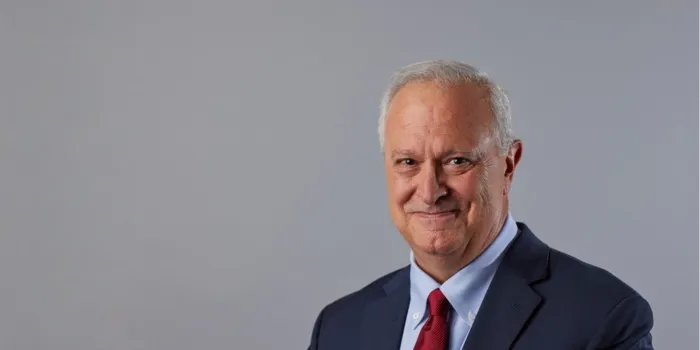
A little more than two years into his role as president and CEO of the National Bleeding Disorders Foundation (NBDF), Phil Gattone is helping guide the organization through a period of rapid scientific advances and evolving community needs.
We sat down with Gattone to find out what he’s learned from the bleeding disorders community, NBDF’s strategic priorities going forward, and how he views his role in the organization.
In your time with NBDF, what has the community taught you that you didn’t expect?
Before I joined NBDF, I didn’t know very much about the bleeding disorders community. I had been working for over two decades in epilepsy and had dedicated my professional life to helping people with disabilities that impacted the brain.
Once I met with the board of directors, NBDF staff, community members, and people who are experts because they live with bleeding disorders each and every day, it really changed me. It woke me up to a whole new world of challenges and experiences that I had not seen before.
There are some similar challenges with bleeding disorders and epilepsy, because both are chronic conditions. But what I’ve learned about bleeding disorders is that you have to make lots of decisions that don’t ever stop — they continue. That really centered me on why we do what we do.
My first two years here have really been about helping NBDF sharpen its focus. We’re building a stronger foundation for the future, and we work really hard to clarify where we can lead most effectively, most powerfully, and with the greatest impact. It’s all focused on helping individuals and families in the bleeding disorders community. That’s our North Star.
What else have you learned from meeting people in the bleeding disorders community?
I’ve discovered just how passionate this community is. They’re not sitting still. They want to have a better life, and they want to move forward, and they’re counting on us as an organization to help them get there through the work we do to support our mission. That includes finding new therapies, helping to advocate for access to therapies, and preventing some of the side effects that come with therapies. We want to help them live their dreams, just like every person wants to live their dreams.
I’ve been able to learn from our community in an authentic way because they tell me specifically about their lives. They’re not talking about generalities — they’re talking about their own experiences, and that means so much to me.
You joined NBDF shortly after the organization changed its name. Why do you think the change was important?
Even before the name change from National Hemophilia Foundation to National Bleeding Disorders Foundation, we had been serving people with other types of bleeding disorders for many years. And yet some people who didn’t have hemophilia were wondering, do they truly have a home here? Do they have a place they can come and say, “That’s an organization I’m aligned with, that’s helping me, that I’m partnering with and supporting”?
With the name change, we were able to open up our arms to everybody and say, “You belong here, you are welcome here, we care about you.” It’s always been true, but now we can show that it’s true as we reference our name.
At the same time, the only reason that we’re able to help more people with different types of bleeding disorders is because of people with hemophilia. That community has strengthened us to serve and helped us understand how to support them. We would not be able to help people with von Willebrand disease or another type of bleeding disorder if it weren’t for the leaders in the hemophilia community who for decades were advocating for change and improvement.
So, we will never forget our origins, and we will always honor those early leaders who fought for change, especially during the HIV/AIDS crisis.
What do you see as NBDF’s key priorities going forward?
After our Washington Days event this year, we sat down with our senior leadership team and our board and put together a framework for the direction we want NBDF to go. It centers on five strategic imperatives: access, growth, partnership, research, and education. It’s a living, breathing process and not a static thing, so we’ll keep checking back.
Access was always a priority for us, and we confirmed that it will continue to be.
Growth is what we formally called sustainability, but we’ve decided that it’s not enough to say we’re going to sustain. We want to grow.
Partnership is a core imperative because we know we can’t meet the needs of people with bleeding disorders by working in a silo. We have to align with chapters, clinicians, industry, and other advocacy groups to really move the needle.
Regarding research, we believe that we have a responsibility to fund innovation. We are also focused on growing fellows and new doctors. There’s a shortage right now in the bleeding disorders community, and we take that very seriously, and we want to help fund the future.
And as far as education goes, it’s so critical that everyone is able to self-advocate and really understand their own condition, their own diagnosis, and their own possibilities. When we provide education, we help make that happen.
You’ve talked a lot about expanding access to care for people with bleeding disorders. Why is that so important?
Too many individuals with bleeding disorders still face systemic, geographic, financial, and social barriers that prevent them from getting the treatment they need. Not everyone has access to a hemophilia treatment center, a knowledgeable provider, or insurance coverage that makes ongoing care possible.
This gap in access has real consequences. Comprehensive care is the single greatest predictor of a longer, healthier life with a bleeding disorder, yet families continue to be diagnosed late, remain underinsured, or live too far from specialized centers.
The goal is to remove these barriers. We want to widen the front door to comprehensive care, strengthen coverage protections, and ensure that people who have historically been missed by the system can finally receive consistent, coordinated treatment.
With so many organizations and stakeholders in the bleeding disorders space, what do you see as NBDF’s role?
My father was a professional pianist and a conductor, so I like to think of us as an orchestra. It’s our job, and particularly my role, to help conduct all the different players.
If you’ve ever been to a symphony production, you know that beforehand, when everybody is tuning their instruments, it can sound like chaos. But when the conductor comes up, taps the baton and holds it up, and everybody has the same set of songs and music, and everybody plays their part in unison, it’s the most beautiful sound you’ve ever heard. And that’s what I believe we are as NBDF, and as a community.
As a conductor, I may not be the best violinist or woodwind player or percussionist. But if I can help each of those talented individuals play their instrument well and with others in a way that creates this spectacular harmony and spectacular sound, people with bleeding disorders are going to get served, and our mission is going to be met.